A winter wedding can be one of the best decisions you make when planning your day. Fewer trends, more atmosphere, better availability, and a much calmer pace overall. Yet winter weddings still come with a lot of unnecessary worry, mostly around weather, light, timelines, and photos.
This winter wedding insight is designed to cut through the noise and give you proper, practical advice based on real wedding days. Not influencer nonsense. Just what actually works.
If you are planning a winter wedding, or even considering one, this guide will help you understand what to expect, what to prioritise, and how to make the most of the season without stressing about things that really do not matter.
One thing I would say is to ensure you choose a photographer who can work with flash, who can work quickly and under pressure. Because Winter weddings can actually be harder to photograph than a summers wedding.
Why Couples Choose a Winter Wedding
Let’s start with the obvious. Winter weddings are quieter, calmer, and often better value. Venues, photographers, and suppliers tend to have more availability, which gives you far more choice. That alone removes a huge amount of pressure from planning.
A winter wedding also shifts the focus away from outdoor perfection. You are not chasing golden hour at 9pm or worrying about guests melting in the sun. Instead, the day becomes about atmosphere, people, and the experience.
From a photography point of view, winter weddings often feel more honest. People stay closer together, conversations last longer, and the day flows without long gaps waiting for light or weather.
Understanding Winter Wedding Weather Without Panicking
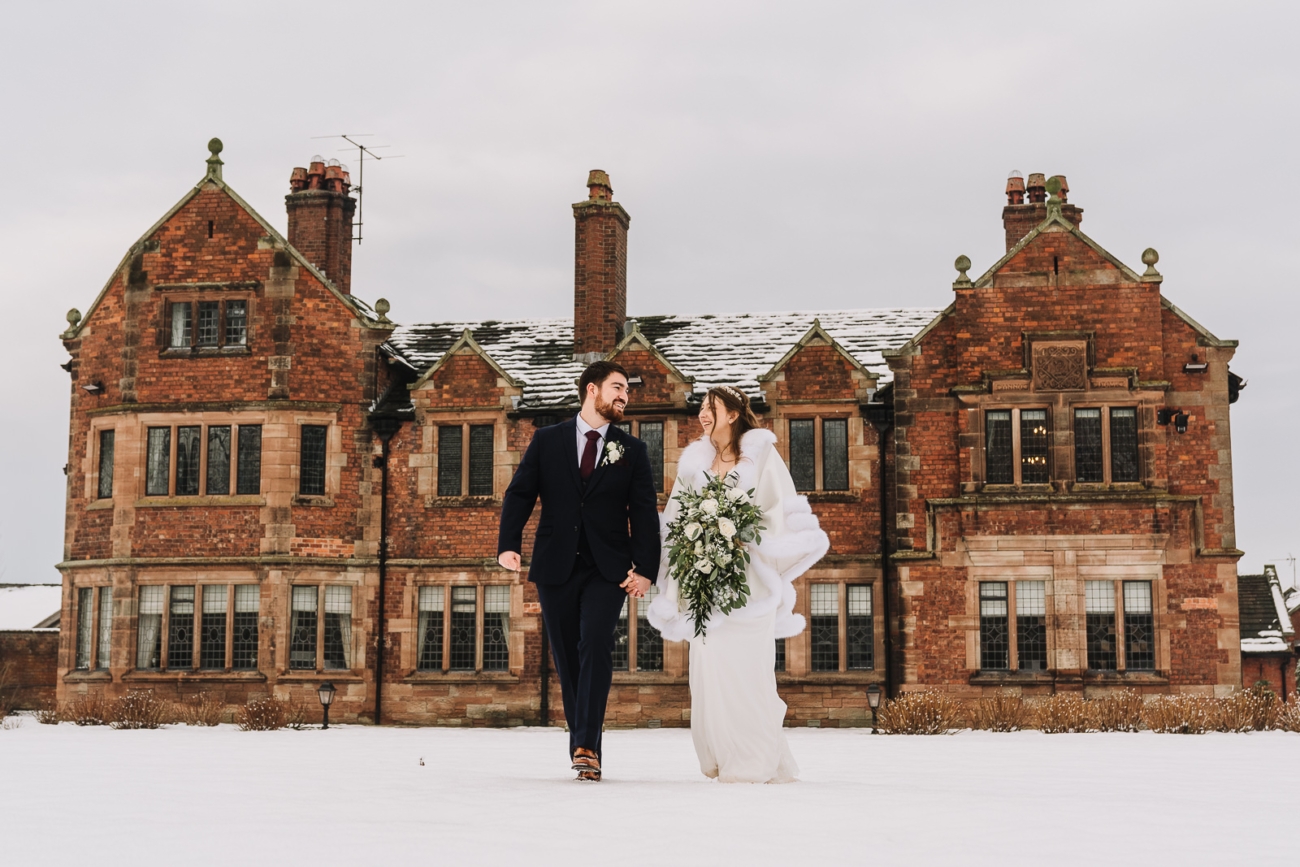
Weather is the thing couples worry about most when planning a winter wedding. Snow, rain, wind, ice. The reality is much simpler.
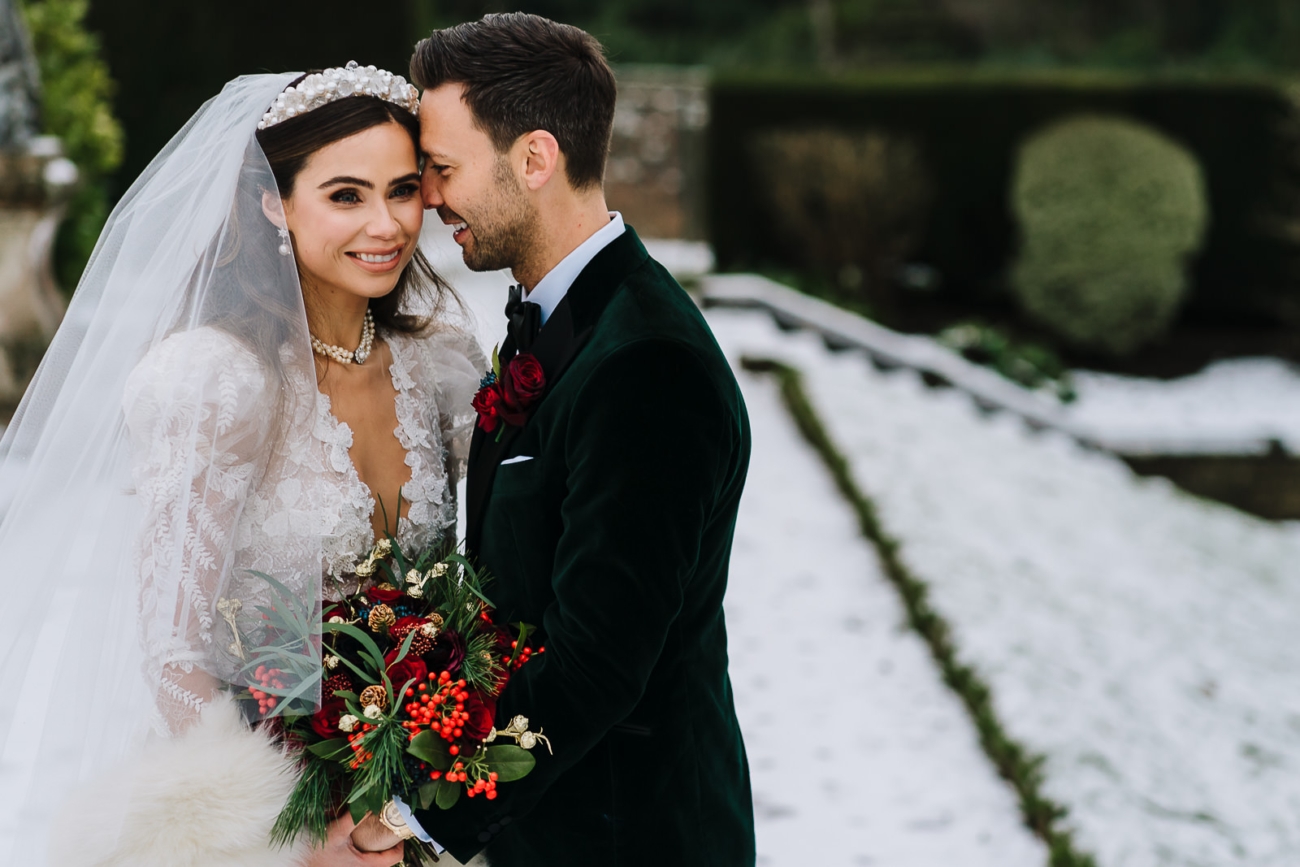
In the UK, most winter wedding days are cold and overcast rather than extreme. Snow is rare. Torrential rain can happen at any time of year. The difference in winter is that you plan for it rather than hoping it does not happen.
The key mindset shift is this. Weather does not ruin winter weddings. Poor planning does.
If you assume it will be cold, build your timeline around indoor spaces, and treat any dry spell as a bonus rather than a requirement, the day becomes far more relaxed.

Early Darkness and Why It Actually Helps Your Wedding
One of the biggest advantages of a winter wedding is early darkness. This often gets framed as a negative, but it is one of the reasons winter weddings work so well.
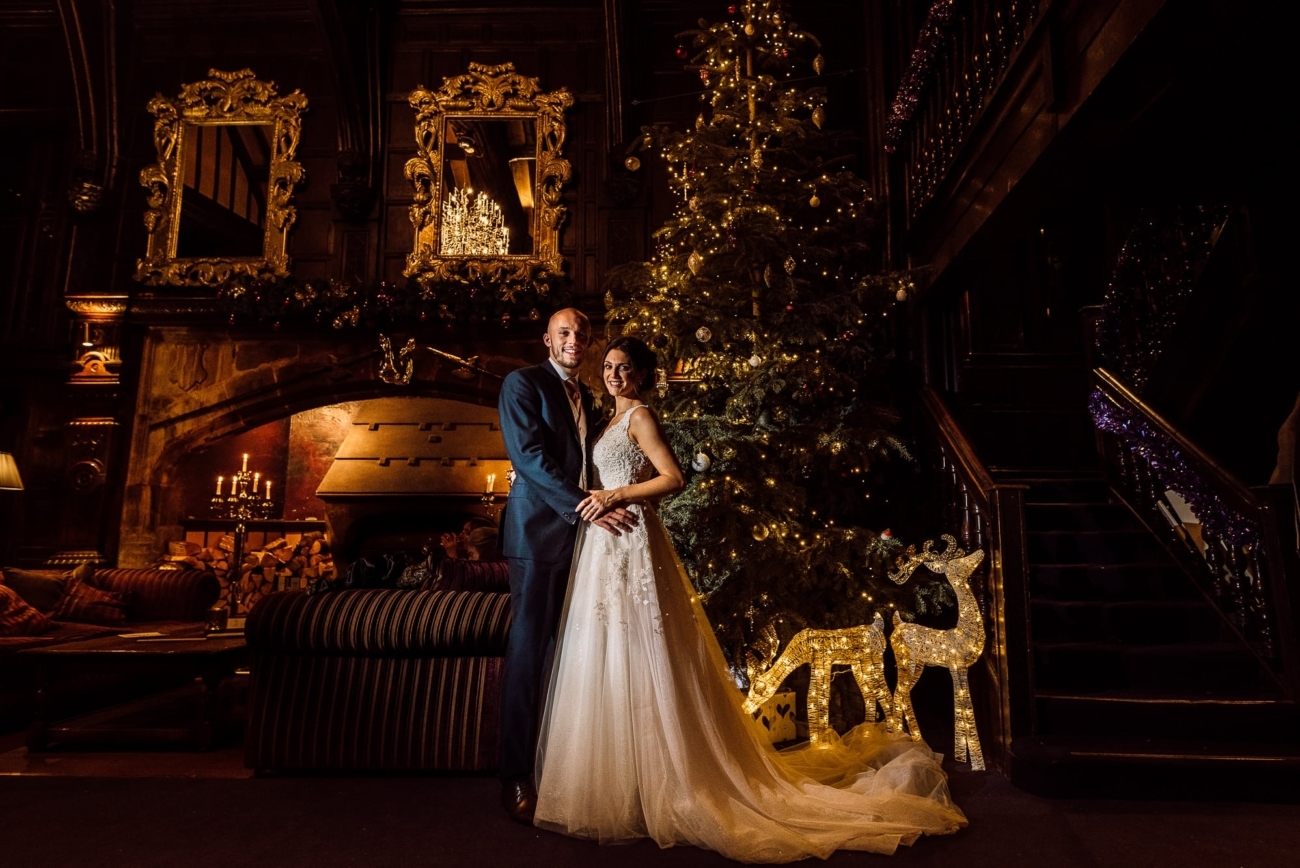
In winter, darkness arrives anywhere from mid afternoon onwards. That means your venue lighting, candles, fairy lights, and interiors do the heavy lifting much earlier in the day.
From a photography point of view, this creates atmosphere without forcing couples outside for long portrait sessions. You get moody, cinematic images naturally, without waiting around. But if you want photos outside – you have to plan!
It also means your evening feels like an event rather than a continuation of the afternoon. Guests settle into the party quicker, and the energy lifts earlier.

Winter Wedding Timelines That Actually Work
A winter wedding timeline should be tighter than a summer one. Not rushed, just efficient.
If you want photos outside then ceremonies often work best earlier in the day. Early afternoon ceremonies allow everything else to fall into place before darkness arrives. This gives you flexibility without pressure.
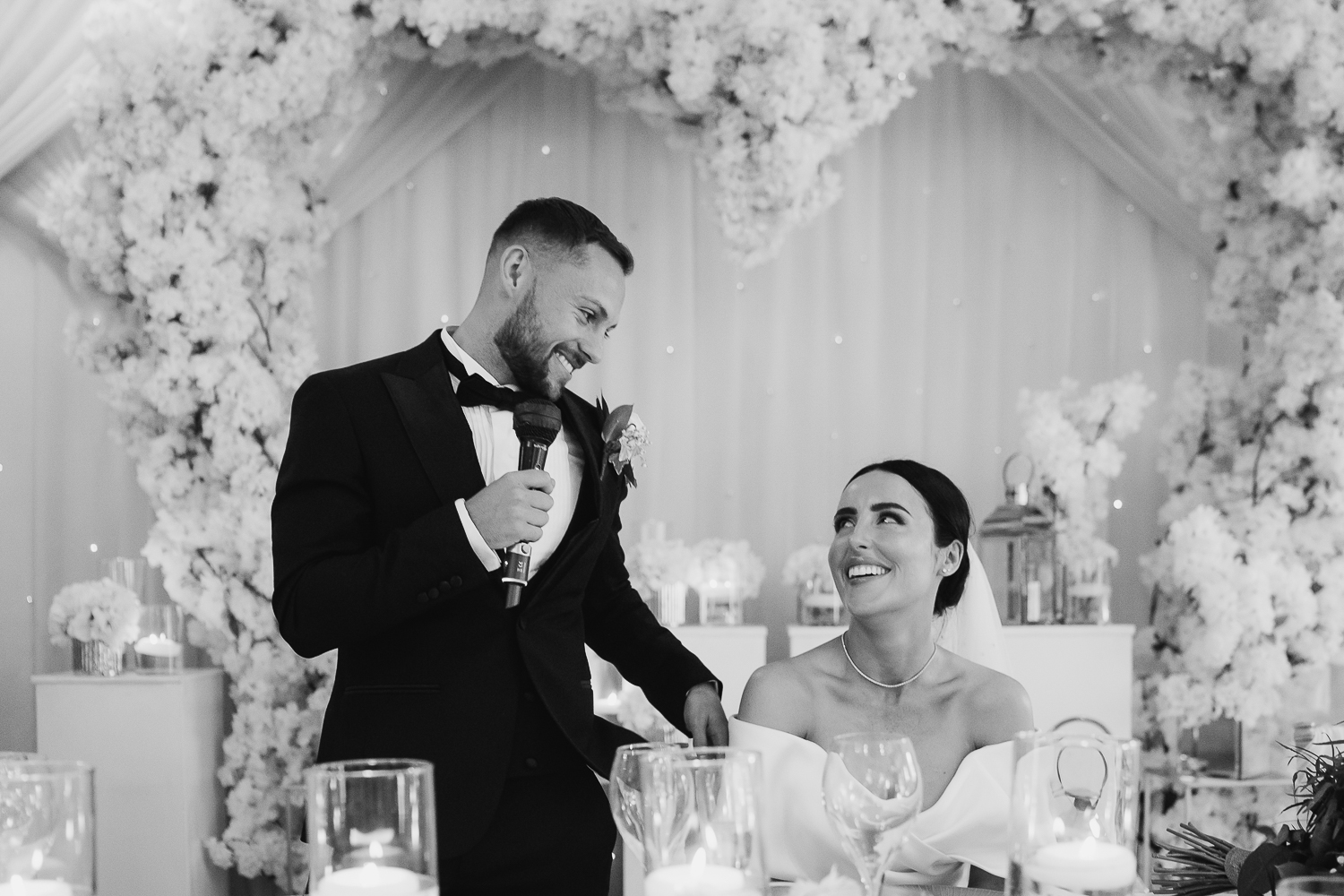
Speeches before the wedding breakfast can work particularly well for a winter wedding. Guests are already seated, warm, and focused. It also frees up the evening for atmosphere and party time rather than formalities.
The biggest mistake couples make with winter weddings is trying to copy a summer timeline. Winter weddings reward simplicity.
I have photographed several 4pm weddings which work well. Obviously photos will be in darkness so we use lighting – but they still look great.

Group Photos in the Cold: What to Prioritise
Group photos are one of the most important areas to rethink for a winter wedding.
Standing outside in cold temperatures for long periods is uncomfortable for everyone. This is where prioritisation matters.
The best approach is to keep your group photo list short and meaningful. Grandparents, parents and Immediate family first. Wedding party next. Then stop. You may also struggle with massive groups due to space.
If the weather is poor then you need to ensure your venue will allow some time after the ceremony in order to complete the formal photos.
Extended family combinations can wait or be done indoors if space allows. The goal is not to document every possible grouping. The goal is to get the important photos without freezing your guests. To be fair this is my advice for the summer as well. You will regret spending ages on one of the best days of your life doing group photos!
From experience, winter weddings with shorter group photo lists run smoother, feel calmer, and keep guests happier.

Indoor Spaces Matter More Than Ever
When planning a winter wedding, your venue’s indoor spaces matter far more than the grounds.
Look at where drinks reception happens if it is cold. Is there enough space for guests to mingle comfortably? Is there natural light? Are there areas that feel relaxed rather than formal?
Good winter wedding venues flow well indoors. Guests move naturally between spaces without feeling herded. This makes a huge difference to the overall feel of the day.
If a venue relies heavily on outdoor space to shine, it may not be the best fit for a winter wedding.
What to Wear for a Winter Wedding
Winter wedding outfits are not about suffering for photos. Comfort matters.
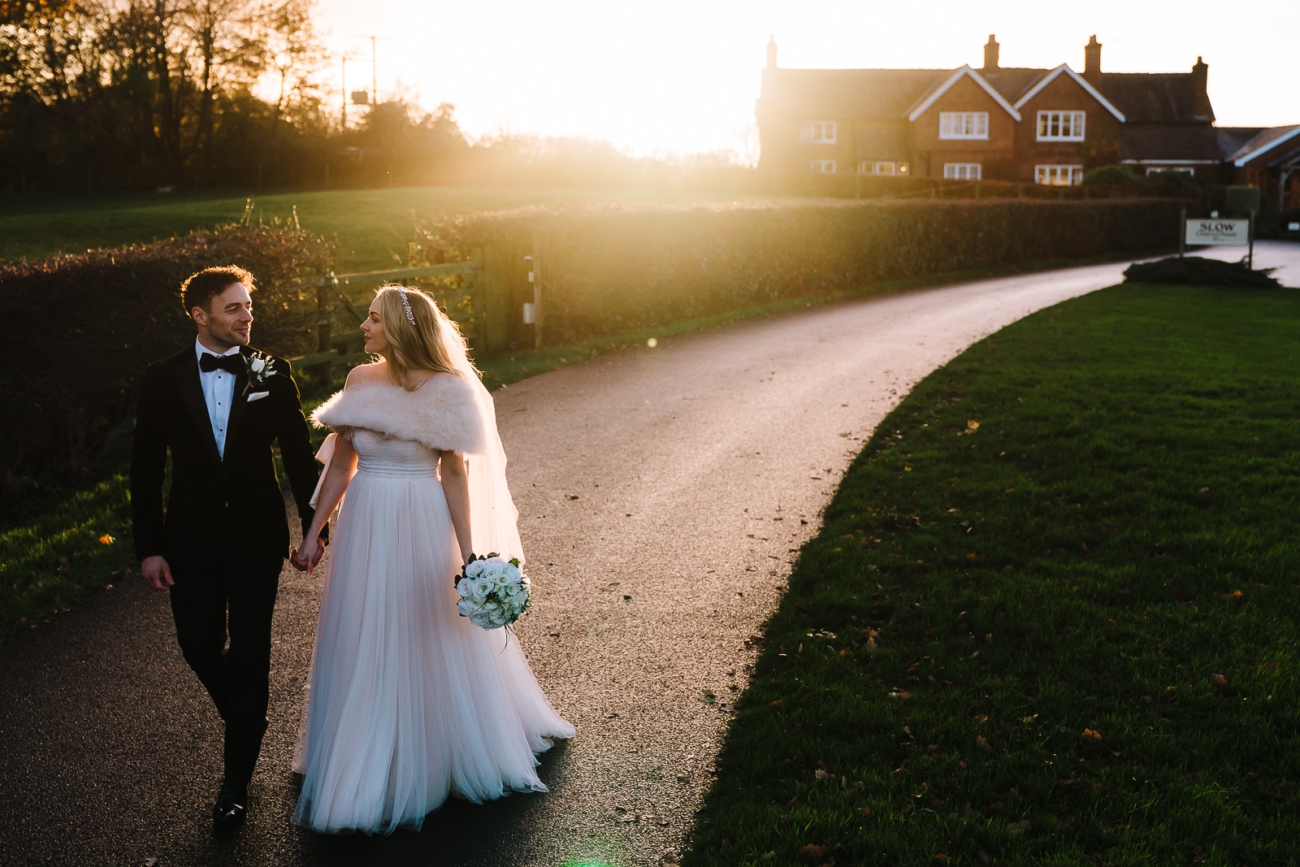
Layers work. Warm fabrics photograph beautifully. Coats, shawls, and textured materials add depth rather than detract from it.
From a photography perspective, people who are warm look better. They relax faster, smile naturally, and enjoy the day rather than counting minutes until they can go back inside.
The same applies to guests. Let people know it is a winter wedding. They will dress accordingly, and the atmosphere will benefit.

Lighting Is the Unsung Hero of Winter Weddings
Lighting is one of the most important elements of a successful winter wedding, yet it is rarely discussed properly.
Because darkness arrives early, venues that invest in good lighting feel warm, inviting, and atmospheric. Candles, uplighting, fairy lights, and lamps all contribute to the mood.
From a photography point of view, good lighting allows moments to unfold naturally. Poor lighting forces everything to feel staged or harsh.
If you are planning a winter wedding – expect me to light things such as ceremony, speeches etc.
Winter Weddings and Documentary Photography
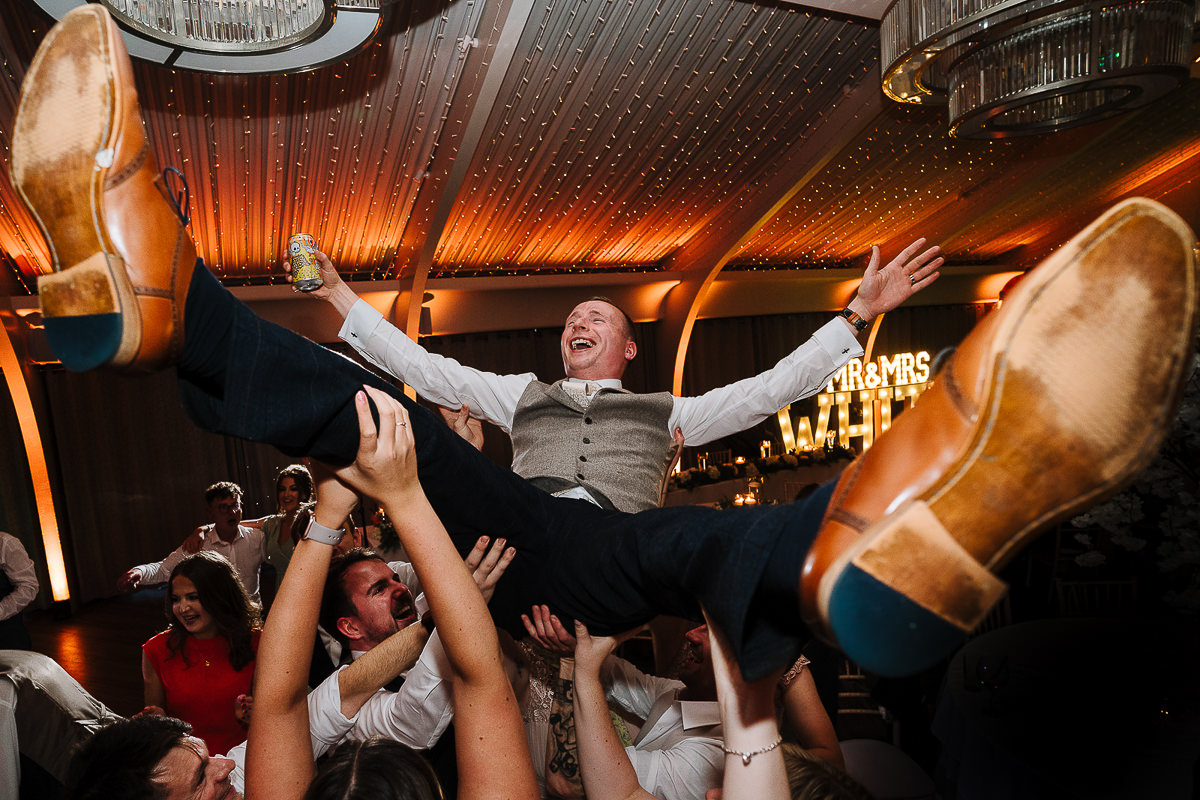
Winter weddings lend themselves perfectly to documentary style photography.
With less emphasis on outdoor perfection, the focus shifts to people and moments. Conversations last longer. Emotions sit closer to the surface. The day feels more connected.
There is also less pressure on couples to disappear for long portrait sessions. Short bursts work better. A few minutes here and there rather than one long block.
This approach keeps the day flowing and allows couples to actually enjoy their wedding rather than managing it.
The Biggest Myths About Winter Weddings
Let’s clear a few things up.
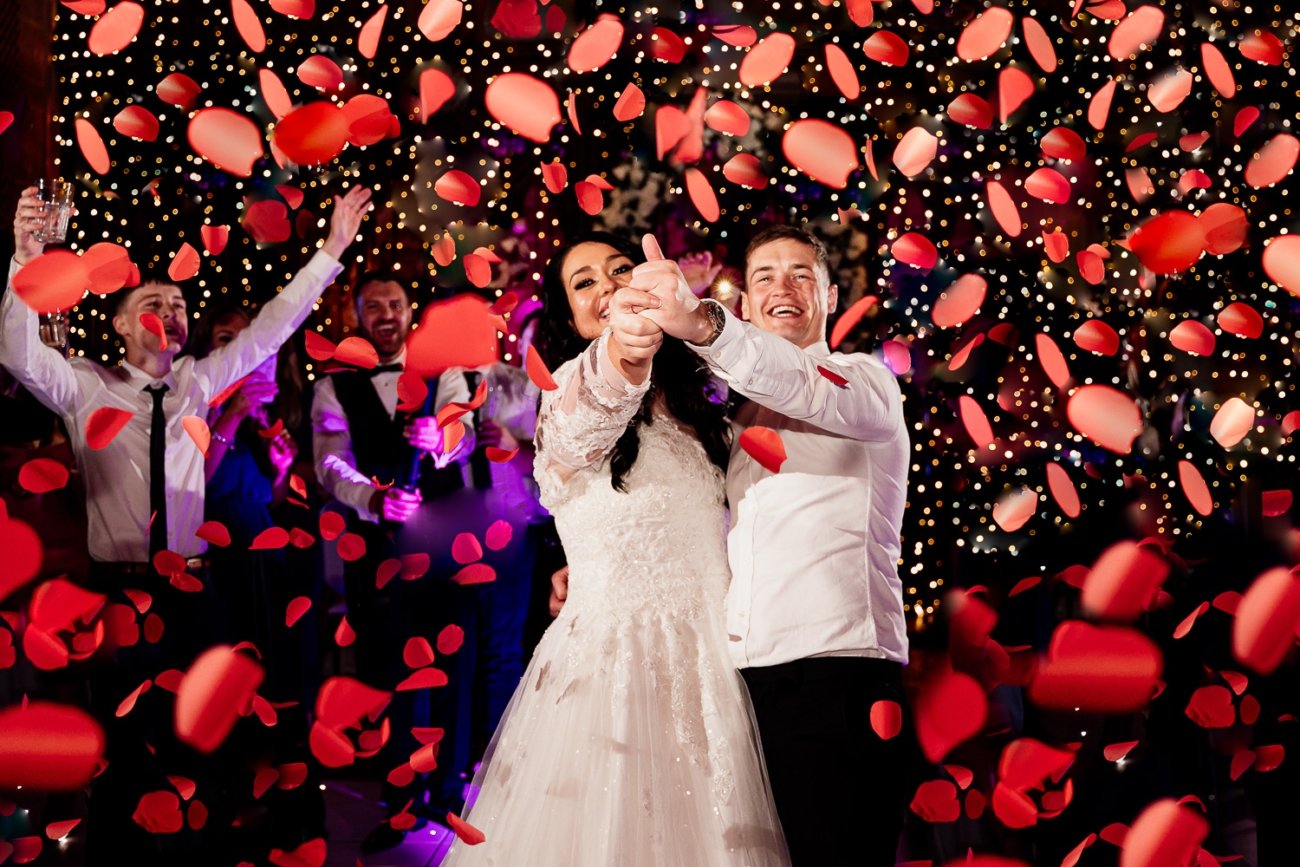
Winter weddings are not boring. In fact, they often have better parties because the day builds momentum earlier.
Winter weddings are not risky. Weather rarely causes issues when you plan properly.
Winter weddings are not second best. They are simply different, and often better suited to couples who value atmosphere over beautiful grounds and the perfect sunset.
Winter weddings can have better party because in the summer people tend to venture outside for evening sun!
Final Thoughts on Planning a Winter Wedding
A winter wedding rewards couples who plan with intention rather than expectation.
If you accept the season for what it is, plan around comfort, prioritise people over perfection, and let the day unfold naturally, winter weddings can be incredible. Have a read of my wedding insight about rain at weddings – it is really useful.
If you are planning a winter wedding and want photography that works with the season rather than fighting it, that is where experience really counts. You have to ensure you have a confident and experienced photographer or you might get crap photos!